
Comprehensive Childhood ADHD Questionnaire: Assess Your Child's Symptoms Today
- posted: Sep. 05, 2025
Comprehensive Childhood ADHD Questionnaire: Assess Your Child's Symptoms Today
A childhood ADHD questionnaire helps parents identify potential ADHD symptoms in their children. Many parents worry about their child's attention or behavior, and this questionnaire can help clarify whether further steps are needed. By understanding your child’s behavior through a structured questionnaire, you can decide if further professional evaluation is needed. This article will cover how these questionnaires work, the key symptoms they assess, and their importance in early diagnosis.
Key Takeaways
•ADHD symptoms in children include inattention, hyperactivity, and impulsivity, each presenting uniquely; early recognition is essential for timely intervention.
•The Comprehensive Childhood ADHD Questionnaire serves as a preliminary symptom checker based on DSM-5 guidelines, providing parents with insights into potential ADHD traits.
•Consulting a mental health professional is crucial after completing the questionnaire, as accurate diagnosis and tailored interventions are necessary for effective management of ADHD.
Understanding ADHD in Children
Attention Deficit Hyperactivity Disorder (ADHD) is a neurodevelopmental disorder characterized by persistent patterns of inattention, hyperactivity, and impulsivity that interfere with functioning or development. These symptoms can be broadly categorized into three main types: inattention, hyperactivity, and impulsivity. Each child may exhibit a unique combination of these symptoms, making ADHD a complex condition to diagnose and manage.
Typically, ADHD symptoms begin to emerge between the ages of 3 and 6 years old, with inattentive behaviors often becoming more noticeable once the child starts school. Some children may exhibit only inattentive symptoms without hyperactivity or impulsivity, which can sometimes lead to misdiagnosis or delayed diagnosis. ADHD symptoms can manifest differently among children, highlighting the need for a customized approach to assessment and intervention.
Parents, teachers, and healthcare providers must understand the nuances of ADHD to recognize its varied presentations and provide children with the necessary support and interventions for academic and social success. Gathering information about the child's behavior from other adults, such as teachers and caregivers, is crucial for a comprehensive assessment, as it helps ensure that observations reflect the child's behavior across different settings.
The Importance of Early Assessment
Early assessment of ADHD is vital for ensuring that children receive the support they need to manage their symptoms effectively. Prompt diagnosis can lead to the implementation of strategies that address attention and emotional challenges, thereby preventing future academic and social difficulties. Early assessment should also help rule out other possible causes of attention or behavioral difficulties, such as anxiety or learning disorders. Recognizing ADHD symptoms early allows for tailored support from parents and teachers, which can significantly enhance a child’s educational experience and overall development.
Furthermore, early identification of ADHD can improve a child’s social skills and self-esteem through timely interventions. The results from an ADHD assessment can guide parents in advocating for appropriate support in school, including behavioral therapy and school accommodations. Addressing ADHD symptoms early helps children build a solid foundation for their futures and mitigates the disorder’s long-term impact.
How Our Childhood ADHD Questionnaire Works
Our Childhood ADHD Questionnaire is designed to serve as a symptom checker, helping parents determine if their child might have ADHD. This online ADHD test, developed in collaboration with expert clinicians, is based on the DSM-5 guidelines, which provide a standard for diagnosing ADHD. It’s important to note that while the questionnaire can help identify potential symptoms, it cannot diagnose a child.
Completing this ADHD test is free and accessible to all families, making it a valuable tool for initial assessment. Gathering detailed information on your child’s behaviors through the questionnaire helps identify whether symptoms align with ADHD or other related disorders, guiding the next steps in the evaluation process.
Structure of the Questionnaire
The Comprehensive Childhood ADHD Questionnaire includes a variety of question types to assess different behaviors. These questions cover various behavioral dimensions, ensuring a thorough evaluation of the child’s symptoms. The structured format of the questionnaire is designed to accurately assess a child’s ADHD-related behaviors, providing a comprehensive overview of their condition.
Including multiple question types, such as multiple choice, yes/no questions, and Likert scales, allows the questionnaire to capture a wide range of behaviors and scenarios, facilitating a detailed assessment of the child’s symptoms and providing an answer to critical developmental questions.
Completing the Questionnaire
Accurately completing the Comprehensive Childhood ADHD Questionnaire is crucial for assessing your child’s needs and determining the best interventions. Parents should consider each scenario carefully and reflect on their child’s behavior in different settings, such as at home and school, when answering the questions. Honesty and self-reflection are key in providing an accurate representation of the child’s behavior, which is important for effective assessment.
The questionnaire consists of various question types, including:
•Multiple choice
•Yes/no questions
•Likert scales These capture different aspects of behavior. Thoroughly answering these questions ensures a comprehensive assessment of the child’s symptoms.
Interpreting Results
The results of the Comprehensive Childhood ADHD Questionnaire provide valuable insights into your child’s behavior and possible ADHD symptoms. A higher score in specific symptom categories suggests a greater likelihood of ADHD traits, emphasizing the need for further evaluation. Depending on the results, parents may consider discussing further evaluation options with a mental health professional to confirm any ADHD diagnosis.
After reviewing the results, implementing tailored educational strategies or behavioral interventions can be beneficial in managing identified symptoms. These strategies can help address the unique challenges faced by children with ADHD, supporting their academic and social success.
Key Symptoms Assessed in the ADHD Questionnaire
The Comprehensive Childhood ADHD Questionnaire assesses key symptoms across three main categories: inattention, hyperactivity, and impulsivity. Understanding these symptoms is crucial for accurately diagnosing and managing ADHD in children. Boys and girls may exhibit different symptoms, with boys often displaying more hyperactive behaviors and girls showing inattentive symptoms. Recognizing these differences is essential for accurate diagnosis and effective treatment.
The questionnaire’s structured approach ensures that all relevant symptoms are thoroughly assessed against established criteria from the Diagnostic and Statistical Manual, providing a comprehensive overview of the child’s diagnosed reviewed diagnostic task condition to measure their needs.
Inattention Symptoms
Inattention symptoms in children with ADHD may include careless mistakes in tasks or an inability to maintain focus during activities. These children often struggle to sustain attention on tasks, leading to frequent errors in their work. The inability to maintain focus can result in significant challenges in completing tasks effectively, impacting their academic performance and daily activities.
Parents may notice that their child is easily distracted, has difficulty following through on instructions, or seems to listen daydreaming frequently. These symptoms can be particularly concerned in a school setting, where sustained attention is critical for success and may indicate a learning disorder related to reading schoolwork.
Hyperactivity Symptoms
Hyperactivity symptoms in children with ADHD often include:
•Excessive talking, even in situations where quiet is expected
•Difficulty staying seated, frequently getting up or moving around during lessons or meals
•Constant motion, where children feel the need to move continuously, making it challenging to engage in calm activities
These hyperactive behaviors can significantly impact a child’s daily functioning and interactions, leading to difficulties in school and social settings. Parents and teachers may notice that the child is always “on the go” and has trouble sitting still for any length of time, which can be attributed to their high level of activity.
Impulsivity Symptoms
Impulsivity symptoms in children with ADHD can manifest as:
•Interrupting conversations
•Acting without considering the consequences
•Difficulty waiting for their turn in games or conversations, leading to frequent interruptions
This impulsivity can result in a lot of problems with social interactions and directly following a number motor rule, requiring significant mental effort and anxiety, leaving individuals feeling unable to cope.
Parents may observe that their child often blurts out answers before questions are completed or makes hasty decisions without thinking them through. These behaviors can create difficulties in structured environments, such as the classroom, where patience and self-control are essential for both kids and adults. In a class setting, these skills become even more critical as children learn to navigate social interactions and other things.
Differences in ADHD Symptoms Between Boys and Girls
ADHD can manifest differently in boys and girls, leading to variations in diagnosis and treatment:
•Boys are more likely to be recognized for their hyperactive symptoms, which often result in earlier diagnosis compared to girls.
•Girls with ADHD may display less aggressive behavior.
•Girls are more likely to have inattentive symptoms, which can be mistaken for daydreaming or lack of focus.
These differences can result in girls being underdiagnosed, as their symptoms are less visible and may not fit the stereotypical image of ADHD. Understanding these gender differences is essential for accurate diagnosis and effective treatment.
By recognizing that ADHD symptoms can present differently in boys and girls, parents and educators can ensure that all children receive the support they need.
Next Steps After Completing the Questionnaire
After completing the Comprehensive Childhood ADHD Questionnaire, the next steps involve consulting a physician or licensed mental health practitioner if many questions indicate potential ADHD symptoms. Healthcare providers may recommend additional tests to evaluate the severity and impact of ADHD symptoms on the child’s daily functioning.
Input from other adults, such as teachers, caregivers, or healthcare providers who interact with the child in different settings, can provide valuable insights into the child's behavior and should be considered during the evaluation process.
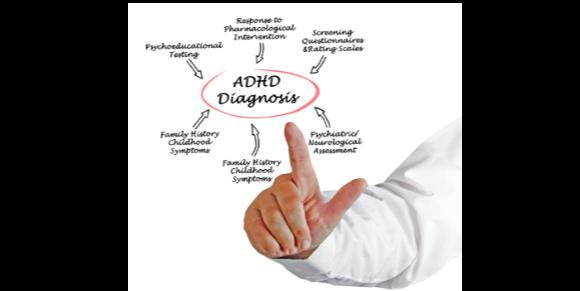
A comprehensive evaluation process typically includes developmental history, teacher ratings, and behavioral assessments. After understanding the evaluation results, parents can consider educational and behavioral interventions to manage ADHD symptoms effectively.
Consulting a Mental Health Professional
Consulting a mental health professional is a crucial step after completing the ADHD questionnaire. Pediatricians, psychiatrists, and clinical psychologists can diagnose ADHD based on behavior reports and in-person evaluations. Mental health professionals rely on comprehensive information about the child’s behavior from multiple sources, including parents and teachers, to ensure an accurate diagnosis of ADHD diagnosed.
It’s important to remember that a parent’s or teacher’s opinion on hyperactivity or distraction should not be the sole basis for an ADHD diagnosis. Professional input is essential to confirm the diagnosis and develop an effective management plan.
Additional Evaluations and Tests
Additional evaluations may be necessary to gain a deeper understanding of a child’s needs regarding ADHD. Healthcare providers may suggest further assessments to better understand the child’s challenges and inform effective management strategies.
These evaluations allow for the development of a tailored approach to address the specific challenges faced by the child. By gathering more detailed information, healthcare providers can recommend targeted interventions that support the child’s success.
Educational and Behavioral Interventions
Educational and behavioral interventions are crucial for managing ADHD symptoms in children. Difficulty in organizing tasks and managing time can hinder a child’s ability to complete assignments effectively, impacting their academic performance. Children with ADHD may also lose important items such as school supplies or homework, further affecting their success.
Hyperactive children may fidget or tap their hands and feet, often disrupting their ability to stay in their seat in settings that require it. These behaviors can create challenges in both home and school environments, highlighting the need for tailored interventions to support the child’s development.
Common Misconceptions About ADHD
Common misconceptions about ADHD can lead to misunderstandings and stigma. A prevalent myth is that children with ADHD cannot focus on anything; in reality, they can concentrate intensely on activities they find engaging. This heightened focus on certain tasks disproves the stereotype that children with ADHD lack the ability to concentrate.
Societal expectations may also influence the perception of ADHD symptoms, leading to underdiagnosis in girls. Understanding that ADHD symptoms can manifest differently in children is essential for accurate diagnosis and management, particularly for girls who might be overlooked.
Resources for Parents and Teachers
Numerous resources are available to support parents and teachers in managing ADHD. The CHADD organization provides a wealth of resources, including local support groups and educational materials focused on ADHD management. Books such as ‘Driven to Distraction’ and ‘The ADHD Effect on Marriage’ are recommended for gaining insights into ADHD and improving family dynamics.
Online communities and websites like ADDitude offer a variety of articles and tools aimed at helping families navigate ADHD. Access to these resources can significantly aid parents and teachers in understanding and managing ADHD in children, providing practical strategies and interventions tailored to their needs.
Summary
In summary, understanding and managing ADHD requires awareness, early assessment, and tailored interventions. Our Comprehensive Childhood ADHD Questionnaire is a valuable tool for identifying potential symptoms and guiding parents towards the next steps in the evaluation process. Recognizing the differences in how ADHD manifests in boys and girls is crucial for accurate diagnosis and effective treatment.
By utilizing available resources and seeking professional support, parents and educators can create a supportive environment that helps children with ADHD thrive. Together, we can ensure that every child receives the attention and care they need to succeed.
Frequently Asked Questions
What are the main symptoms of ADHD in children?
The main symptoms of ADHD in children are characterized by difficulties with attention, hyperactivity, and impulsivity. These are categorized into three types: inattention, hyperactivity, and impulsivity.
Why is early assessment of ADHD important?
Early assessment of ADHD is important as it facilitates timely intervention, allowing for effective strategies to address attention and emotional challenges, thereby preventing potential academic and social difficulties. This proactive approach also ensures that children receive appropriate support from parents and educators, fostering their overall development.
How does the Childhood ADHD Questionnaire work?
The Childhood ADHD Questionnaire functions as a symptom checker for parents to evaluate potential ADHD in their children, adhering to DSM-5 guidelines and comprising diverse questions that assess various behaviors. Its development involved expert clinicians to ensure its effectiveness.
What are the differences in ADHD symptoms between boys and girls?
ADHD symptoms differ significantly between boys and girls, with boys predominantly showing hyperactive behaviors resulting in earlier diagnoses, while girls often present inattentiveness that may be misinterpreted as daydreaming. This distinction highlights the importance of understanding varied symptom presentations for accurate identification and support.
What are the next steps after completing the ADHD questionnaire?
Following the completion of the ADHD questionnaire, it is crucial to consult a physician or licensed mental health practitioner for further evaluation and potential testing to assess the severity and impact of symptoms on daily functioning. This step ensures an accurate diagnosis and appropriate intervention.
📚 References
1.American Psychiatric Association. (2013). Diagnostic and Statistical Manual of Mental Disorders (5th ed.; DSM-5). Arlington, VA: American Psychiatric Publishing.
2.Barkley, R. A. (2015). Attention-Deficit Hyperactivity Disorder: A Handbook for Diagnosis and Treatment (4th ed.). New York, NY: Guilford Press.
3.Centers for Disease Control and Prevention (CDC). (2023). What is ADHD? Retrieved from: https://www.cdc.gov/ncbddd/adhd
4.Wolraich, M. L., Hagan, J. F., Allan, C., et al. (2019). Clinical Practice Guideline for the Diagnosis, Evaluation, and Treatment of Attention-Deficit/Hyperactivity Disorder in Children and Adolescents. Pediatrics, 144(4): e20192528. https://doi.org/10.1542/peds.2019-2528
5.Faraone, S. V., Biederman, J., & Mick, E. (2006). The age-dependent decline of ADHD: A meta-analysis of follow-up studies. Psychological Medicine, 36(2), 159–165. https://doi.org/10.1017/S003329170500471X
6.Thapar, A., Cooper, M. (2016). Attention deficit hyperactivity disorder. The Lancet, 387(10024), 1240–1250. https://doi.org/10.1016/S0140-6736(15)00238-X
7.Brown, T. E. (2021). Attention Deficit Disorder: The Unfocused Mind in Children and Adults. Yale University Press.
8.National Institute of Mental Health (NIMH). (2022). Attention-Deficit/Hyperactivity Disorder. Retrieved from: https://www.nimh.nih.gov/health/topics/adhd
9.Polanczyk, G. V., & Rohde, L. A. (2007). Epidemiology of ADHD in school-age children. Child and Adolescent Psychiatric Clinics of North America, 16(2), 217–226. https://doi.org/10.1016/j.chc.2006.11.007
10.CHADD: Children and Adults with Attention-Deficit/Hyperactivity Disorder. (2023). ADHD Fact Sheets & Resources. Retrieved from: https://chadd.org
- posted: Sep. 05, 2025
Comprehensive Childhood ADHD Questionnaire: Assess Your Child's Symptoms Today
A childhood ADHD questionnaire helps parents identify potential ADHD symptoms in their children. Many parents worry about their child's attention or behavior, and this questionnaire can help clarify whether further steps are needed. By understanding your child’s behavior through a structured questionnaire, you can decide if further professional evaluation is needed. This article will cover how these questionnaires work, the key symptoms they assess, and their importance in early diagnosis.
Key Takeaways
•ADHD symptoms in children include inattention, hyperactivity, and impulsivity, each presenting uniquely; early recognition is essential for timely intervention.
•The Comprehensive Childhood ADHD Questionnaire serves as a preliminary symptom checker based on DSM-5 guidelines, providing parents with insights into potential ADHD traits.
•Consulting a mental health professional is crucial after completing the questionnaire, as accurate diagnosis and tailored interventions are necessary for effective management of ADHD.
Understanding ADHD in Children
Attention Deficit Hyperactivity Disorder (ADHD) is a neurodevelopmental disorder characterized by persistent patterns of inattention, hyperactivity, and impulsivity that interfere with functioning or development. These symptoms can be broadly categorized into three main types: inattention, hyperactivity, and impulsivity. Each child may exhibit a unique combination of these symptoms, making ADHD a complex condition to diagnose and manage.
Typically, ADHD symptoms begin to emerge between the ages of 3 and 6 years old, with inattentive behaviors often becoming more noticeable once the child starts school. Some children may exhibit only inattentive symptoms without hyperactivity or impulsivity, which can sometimes lead to misdiagnosis or delayed diagnosis. ADHD symptoms can manifest differently among children, highlighting the need for a customized approach to assessment and intervention.
Parents, teachers, and healthcare providers must understand the nuances of ADHD to recognize its varied presentations and provide children with the necessary support and interventions for academic and social success. Gathering information about the child's behavior from other adults, such as teachers and caregivers, is crucial for a comprehensive assessment, as it helps ensure that observations reflect the child's behavior across different settings.
The Importance of Early Assessment
Early assessment of ADHD is vital for ensuring that children receive the support they need to manage their symptoms effectively. Prompt diagnosis can lead to the implementation of strategies that address attention and emotional challenges, thereby preventing future academic and social difficulties. Early assessment should also help rule out other possible causes of attention or behavioral difficulties, such as anxiety or learning disorders. Recognizing ADHD symptoms early allows for tailored support from parents and teachers, which can significantly enhance a child’s educational experience and overall development.
Furthermore, early identification of ADHD can improve a child’s social skills and self-esteem through timely interventions. The results from an ADHD assessment can guide parents in advocating for appropriate support in school, including behavioral therapy and school accommodations. Addressing ADHD symptoms early helps children build a solid foundation for their futures and mitigates the disorder’s long-term impact.
How Our Childhood ADHD Questionnaire Works
Our Childhood ADHD Questionnaire is designed to serve as a symptom checker, helping parents determine if their child might have ADHD. This online ADHD test, developed in collaboration with expert clinicians, is based on the DSM-5 guidelines, which provide a standard for diagnosing ADHD. It’s important to note that while the questionnaire can help identify potential symptoms, it cannot diagnose a child.
Completing this ADHD test is free and accessible to all families, making it a valuable tool for initial assessment. Gathering detailed information on your child’s behaviors through the questionnaire helps identify whether symptoms align with ADHD or other related disorders, guiding the next steps in the evaluation process.
Structure of the Questionnaire
The Comprehensive Childhood ADHD Questionnaire includes a variety of question types to assess different behaviors. These questions cover various behavioral dimensions, ensuring a thorough evaluation of the child’s symptoms. The structured format of the questionnaire is designed to accurately assess a child’s ADHD-related behaviors, providing a comprehensive overview of their condition.
Including multiple question types, such as multiple choice, yes/no questions, and Likert scales, allows the questionnaire to capture a wide range of behaviors and scenarios, facilitating a detailed assessment of the child’s symptoms and providing an answer to critical developmental questions.
Completing the Questionnaire
Accurately completing the Comprehensive Childhood ADHD Questionnaire is crucial for assessing your child’s needs and determining the best interventions. Parents should consider each scenario carefully and reflect on their child’s behavior in different settings, such as at home and school, when answering the questions. Honesty and self-reflection are key in providing an accurate representation of the child’s behavior, which is important for effective assessment.
The questionnaire consists of various question types, including:
•Multiple choice
•Yes/no questions
•Likert scales These capture different aspects of behavior. Thoroughly answering these questions ensures a comprehensive assessment of the child’s symptoms.
Interpreting Results
The results of the Comprehensive Childhood ADHD Questionnaire provide valuable insights into your child’s behavior and possible ADHD symptoms. A higher score in specific symptom categories suggests a greater likelihood of ADHD traits, emphasizing the need for further evaluation. Depending on the results, parents may consider discussing further evaluation options with a mental health professional to confirm any ADHD diagnosis.
After reviewing the results, implementing tailored educational strategies or behavioral interventions can be beneficial in managing identified symptoms. These strategies can help address the unique challenges faced by children with ADHD, supporting their academic and social success.
Key Symptoms Assessed in the ADHD Questionnaire
The Comprehensive Childhood ADHD Questionnaire assesses key symptoms across three main categories: inattention, hyperactivity, and impulsivity. Understanding these symptoms is crucial for accurately diagnosing and managing ADHD in children. Boys and girls may exhibit different symptoms, with boys often displaying more hyperactive behaviors and girls showing inattentive symptoms. Recognizing these differences is essential for accurate diagnosis and effective treatment.
The questionnaire’s structured approach ensures that all relevant symptoms are thoroughly assessed against established criteria from the Diagnostic and Statistical Manual, providing a comprehensive overview of the child’s diagnosed reviewed diagnostic task condition to measure their needs.
Inattention Symptoms
Inattention symptoms in children with ADHD may include careless mistakes in tasks or an inability to maintain focus during activities. These children often struggle to sustain attention on tasks, leading to frequent errors in their work. The inability to maintain focus can result in significant challenges in completing tasks effectively, impacting their academic performance and daily activities.
Parents may notice that their child is easily distracted, has difficulty following through on instructions, or seems to listen daydreaming frequently. These symptoms can be particularly concerned in a school setting, where sustained attention is critical for success and may indicate a learning disorder related to reading schoolwork.
Hyperactivity Symptoms
Hyperactivity symptoms in children with ADHD often include:
•Excessive talking, even in situations where quiet is expected
•Difficulty staying seated, frequently getting up or moving around during lessons or meals
•Constant motion, where children feel the need to move continuously, making it challenging to engage in calm activities
These hyperactive behaviors can significantly impact a child’s daily functioning and interactions, leading to difficulties in school and social settings. Parents and teachers may notice that the child is always “on the go” and has trouble sitting still for any length of time, which can be attributed to their high level of activity.
Impulsivity Symptoms
Impulsivity symptoms in children with ADHD can manifest as:
•Interrupting conversations
•Acting without considering the consequences
•Difficulty waiting for their turn in games or conversations, leading to frequent interruptions
This impulsivity can result in a lot of problems with social interactions and directly following a number motor rule, requiring significant mental effort and anxiety, leaving individuals feeling unable to cope.
Parents may observe that their child often blurts out answers before questions are completed or makes hasty decisions without thinking them through. These behaviors can create difficulties in structured environments, such as the classroom, where patience and self-control are essential for both kids and adults. In a class setting, these skills become even more critical as children learn to navigate social interactions and other things.
Differences in ADHD Symptoms Between Boys and Girls
ADHD can manifest differently in boys and girls, leading to variations in diagnosis and treatment:
•Boys are more likely to be recognized for their hyperactive symptoms, which often result in earlier diagnosis compared to girls.
•Girls with ADHD may display less aggressive behavior.
•Girls are more likely to have inattentive symptoms, which can be mistaken for daydreaming or lack of focus.
These differences can result in girls being underdiagnosed, as their symptoms are less visible and may not fit the stereotypical image of ADHD. Understanding these gender differences is essential for accurate diagnosis and effective treatment.
By recognizing that ADHD symptoms can present differently in boys and girls, parents and educators can ensure that all children receive the support they need.
Next Steps After Completing the Questionnaire
After completing the Comprehensive Childhood ADHD Questionnaire, the next steps involve consulting a physician or licensed mental health practitioner if many questions indicate potential ADHD symptoms. Healthcare providers may recommend additional tests to evaluate the severity and impact of ADHD symptoms on the child’s daily functioning.
Input from other adults, such as teachers, caregivers, or healthcare providers who interact with the child in different settings, can provide valuable insights into the child's behavior and should be considered during the evaluation process.
A comprehensive evaluation process typically includes developmental history, teacher ratings, and behavioral assessments. After understanding the evaluation results, parents can consider educational and behavioral interventions to manage ADHD symptoms effectively.
Consulting a Mental Health Professional
Consulting a mental health professional is a crucial step after completing the ADHD questionnaire. Pediatricians, psychiatrists, and clinical psychologists can diagnose ADHD based on behavior reports and in-person evaluations. Mental health professionals rely on comprehensive information about the child’s behavior from multiple sources, including parents and teachers, to ensure an accurate diagnosis of ADHD diagnosed.
It’s important to remember that a parent’s or teacher’s opinion on hyperactivity or distraction should not be the sole basis for an ADHD diagnosis. Professional input is essential to confirm the diagnosis and develop an effective management plan.
Additional Evaluations and Tests
Additional evaluations may be necessary to gain a deeper understanding of a child’s needs regarding ADHD. Healthcare providers may suggest further assessments to better understand the child’s challenges and inform effective management strategies.
These evaluations allow for the development of a tailored approach to address the specific challenges faced by the child. By gathering more detailed information, healthcare providers can recommend targeted interventions that support the child’s success.
Educational and Behavioral Interventions
Educational and behavioral interventions are crucial for managing ADHD symptoms in children. Difficulty in organizing tasks and managing time can hinder a child’s ability to complete assignments effectively, impacting their academic performance. Children with ADHD may also lose important items such as school supplies or homework, further affecting their success.
Hyperactive children may fidget or tap their hands and feet, often disrupting their ability to stay in their seat in settings that require it. These behaviors can create challenges in both home and school environments, highlighting the need for tailored interventions to support the child’s development.
Common Misconceptions About ADHD
Common misconceptions about ADHD can lead to misunderstandings and stigma. A prevalent myth is that children with ADHD cannot focus on anything; in reality, they can concentrate intensely on activities they find engaging. This heightened focus on certain tasks disproves the stereotype that children with ADHD lack the ability to concentrate.
Societal expectations may also influence the perception of ADHD symptoms, leading to underdiagnosis in girls. Understanding that ADHD symptoms can manifest differently in children is essential for accurate diagnosis and management, particularly for girls who might be overlooked.
Resources for Parents and Teachers
Numerous resources are available to support parents and teachers in managing ADHD. The CHADD organization provides a wealth of resources, including local support groups and educational materials focused on ADHD management. Books such as ‘Driven to Distraction’ and ‘The ADHD Effect on Marriage’ are recommended for gaining insights into ADHD and improving family dynamics.
Online communities and websites like ADDitude offer a variety of articles and tools aimed at helping families navigate ADHD. Access to these resources can significantly aid parents and teachers in understanding and managing ADHD in children, providing practical strategies and interventions tailored to their needs.
Summary
In summary, understanding and managing ADHD requires awareness, early assessment, and tailored interventions. Our Comprehensive Childhood ADHD Questionnaire is a valuable tool for identifying potential symptoms and guiding parents towards the next steps in the evaluation process. Recognizing the differences in how ADHD manifests in boys and girls is crucial for accurate diagnosis and effective treatment.
By utilizing available resources and seeking professional support, parents and educators can create a supportive environment that helps children with ADHD thrive. Together, we can ensure that every child receives the attention and care they need to succeed.
Frequently Asked Questions
What are the main symptoms of ADHD in children?
The main symptoms of ADHD in children are characterized by difficulties with attention, hyperactivity, and impulsivity. These are categorized into three types: inattention, hyperactivity, and impulsivity.
Why is early assessment of ADHD important?
Early assessment of ADHD is important as it facilitates timely intervention, allowing for effective strategies to address attention and emotional challenges, thereby preventing potential academic and social difficulties. This proactive approach also ensures that children receive appropriate support from parents and educators, fostering their overall development.
How does the Childhood ADHD Questionnaire work?
The Childhood ADHD Questionnaire functions as a symptom checker for parents to evaluate potential ADHD in their children, adhering to DSM-5 guidelines and comprising diverse questions that assess various behaviors. Its development involved expert clinicians to ensure its effectiveness.
What are the differences in ADHD symptoms between boys and girls?
ADHD symptoms differ significantly between boys and girls, with boys predominantly showing hyperactive behaviors resulting in earlier diagnoses, while girls often present inattentiveness that may be misinterpreted as daydreaming. This distinction highlights the importance of understanding varied symptom presentations for accurate identification and support.
What are the next steps after completing the ADHD questionnaire?
Following the completion of the ADHD questionnaire, it is crucial to consult a physician or licensed mental health practitioner for further evaluation and potential testing to assess the severity and impact of symptoms on daily functioning. This step ensures an accurate diagnosis and appropriate intervention.
📚 References
1.American Psychiatric Association. (2013). Diagnostic and Statistical Manual of Mental Disorders (5th ed.; DSM-5). Arlington, VA: American Psychiatric Publishing.
2.Barkley, R. A. (2015). Attention-Deficit Hyperactivity Disorder: A Handbook for Diagnosis and Treatment (4th ed.). New York, NY: Guilford Press.
3.Centers for Disease Control and Prevention (CDC). (2023). What is ADHD? Retrieved from: https://www.cdc.gov/ncbddd/adhd
4.Wolraich, M. L., Hagan, J. F., Allan, C., et al. (2019). Clinical Practice Guideline for the Diagnosis, Evaluation, and Treatment of Attention-Deficit/Hyperactivity Disorder in Children and Adolescents. Pediatrics, 144(4): e20192528. https://doi.org/10.1542/peds.2019-2528
5.Faraone, S. V., Biederman, J., & Mick, E. (2006). The age-dependent decline of ADHD: A meta-analysis of follow-up studies. Psychological Medicine, 36(2), 159–165. https://doi.org/10.1017/S003329170500471X
6.Thapar, A., Cooper, M. (2016). Attention deficit hyperactivity disorder. The Lancet, 387(10024), 1240–1250. https://doi.org/10.1016/S0140-6736(15)00238-X
7.Brown, T. E. (2021). Attention Deficit Disorder: The Unfocused Mind in Children and Adults. Yale University Press.
8.National Institute of Mental Health (NIMH). (2022). Attention-Deficit/Hyperactivity Disorder. Retrieved from: https://www.nimh.nih.gov/health/topics/adhd
9.Polanczyk, G. V., & Rohde, L. A. (2007). Epidemiology of ADHD in school-age children. Child and Adolescent Psychiatric Clinics of North America, 16(2), 217–226. https://doi.org/10.1016/j.chc.2006.11.007
10.CHADD: Children and Adults with Attention-Deficit/Hyperactivity Disorder. (2023). ADHD Fact Sheets & Resources. Retrieved from: https://chadd.org
McAllen Location
Monday
8:00 am - 8:00 pm
Tuesday
8:00 am - 8:00 pm
Wednesday
8:00 am - 8:00 pm
Thursday
8:00 am - 8:00 pm
Friday
8:00 am - 5:00 pm
Saturday
9am- 2pm - Call for Location
Sunday
Closed
Edinburg Location
Monday
8:00 am - 8:00 pm
Tuesday
8:00 am - 8:00 pm
Wednesday
8:00 am - 8:00 pm
Thursday
8:00 am - 8:00 pm
Friday
8:00 am - 5:00 pm
Saturday
9am- 2pm - Call for Location
Sunday
Closed
